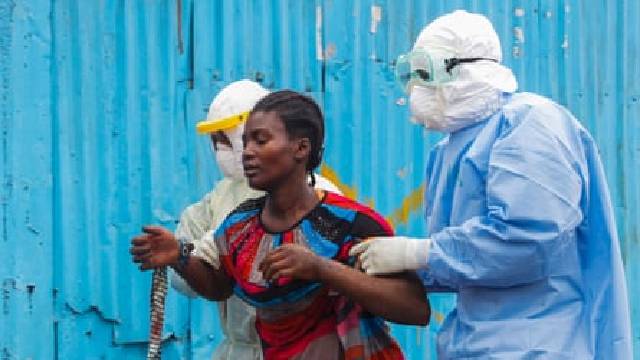
Although health authorities have attempted to calm the public, many Kenyans remain uneasy about the possibility of hosting patients infected with one of the world’s deadliest viruses. Ebola, known for its high fatality rate and rapid spread through bodily fluids, has historically caused fear across Africa due to devastating outbreaks in countries such as Uganda, the Democratic Republic of Congo, and Sierra Leone. The controversy intensified after claims surfaced alleging that selected medical facilities in Kenya could be used to isolate and manage Ebola patients arriving from abroad. While officials insist that strict international safety protocols would be followed, critics argue that Kenya’s healthcare system is already struggling with shortages of medical equipment, understaffing, and overcrowded hospitals.
Health experts have urged the public not to panic, explaining that modern isolation facilities and trained personnel significantly reduce the risk of transmission. According to infectious disease specialists, countries often cooperate during global health emergencies, especially when dealing with highly contagious diseases that require specialized containment. However, opposition leaders and civil society groups have demanded full disclosure from the government regarding any agreements with foreign nations. Some leaders accuse authorities of making decisions without involving the public or Parliament, arguing that such sensitive matters require national consultation.
“The lives and safety of Kenyans must come first,” one political leader stated during a press briefing in Nairobi. “If there are any agreements involving Ebola patients being brought into the country, Kenyans deserve to know the truth.”
Social media platforms have since exploded with mixed reactions. Some citizens expressed fear over the possibility of an outbreak, while others criticized what they termed as misinformation and fearmongering. Medical professionals have repeatedly emphasized that Ebola cannot spread through the air like the flu or COVID-19, and transmission usually occurs through direct contact with infected bodily fluids. Kenya has previously dealt with regional Ebola threats due to its strategic position as an East African transport hub. Airports and border points have often heightened screening measures whenever outbreaks occur in neighboring countries. The Ministry of Health has in the past conducted preparedness drills and trained rapid response teams to handle suspected Ebola cases.
Despite these assurances, many Kenyans remain skeptical. Questions continue to emerge over whether the country possesses enough advanced isolation units, protective gear, and emergency funding to manage any potential risk. Analysts say the issue could become politically sensitive in the coming days, especially if the government fails to provide clear communication. Public trust, experts argue, is critical during any health-related crisis. As debate continues, Kenyans now wait for official clarification on whether the reports are true, exaggerated, or entirely false. Until then, the story has become one of the most talked-about public health issues in the country, highlighting the deep anxiety that infectious disease outbreaks still create years after the COVID-19 pandemic reshaped global health systems.