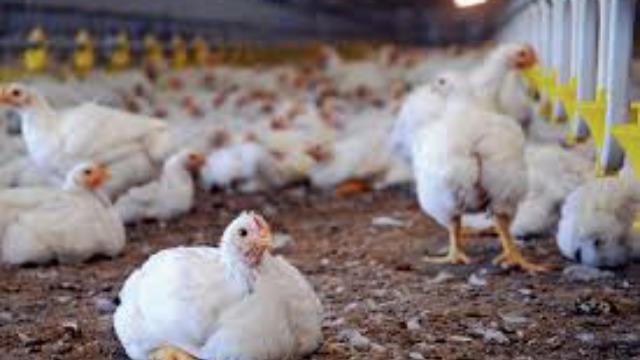
Broiler farming has emerged as one of the fastest-growing agricultural enterprises in Kenya, offering farmers a reliable source of income and helping meet the country's increasing demand for poultry meat.
Broilers are chickens specifically bred for meat production. Unlike indigenous chickens, broilers grow rapidly and can attain market weight within six to eight weeks, making them an attractive option for both small-scale and commercial farmers.
The popularity of broiler farming has been driven by changing consumer preferences, urbanization, and the rising demand for affordable protein sources. Restaurants, hotels, supermarkets, and fast-food outlets are among the major consumers of broiler meat, creating a steady market for farmers.
Experts say success in broiler farming begins with proper housing. Farmers are advised to provide clean, well-ventilated poultry houses that protect birds from extreme weather conditions and disease outbreaks. Adequate spacing is also crucial to prevent overcrowding, which can lead to stress and reduced growth rates.
Feeding plays a critical role in broiler production. Farmers are encouraged to use quality feeds rich in proteins, vitamins, and minerals to ensure optimal growth. Clean drinking water should be available at all times, as water intake directly affects feed consumption and weight gain.
Disease management remains one of the biggest challenges facing poultry farmers. Common diseases such as Newcastle Disease, Gumboro, and Coccidiosis can cause significant losses if not controlled. Regular vaccination, proper sanitation, and strict biosecurity measures are essential in maintaining healthy flocks.
According to agricultural experts, a farmer who properly manages a flock of 100 broilers can realize significant profits within two months. However, profitability depends on factors such as feed costs, chick prices, mortality rates, and market prices.
The Kenyan government and agricultural organizations continue to encourage youth and women to venture into poultry farming as a means of creating employment and improving food security. Training programs and access to agricultural extension services have also helped boost the sector's growth.
As the demand for chicken meat continues to rise, broiler farming is expected to remain a lucrative venture for farmers willing to invest in proper management practices. With the right knowledge and commitment, poultry farming can provide a sustainable source of income while contributing to the country's agricultural development.
Tips for Successful Broiler Farming
- Purchase day-old chicks from reputable hatcheries.
- Maintain high standards of cleanliness.
- Follow a proper vaccination schedule.
- Provide quality feeds and clean water.
- Monitor bird health regularly.
- Secure reliable markets before production.
With growing market opportunities and relatively short production cycles, broiler farming continues to offer promising prospects for Kenyan farmers seeking profitable agribusiness ventures.